
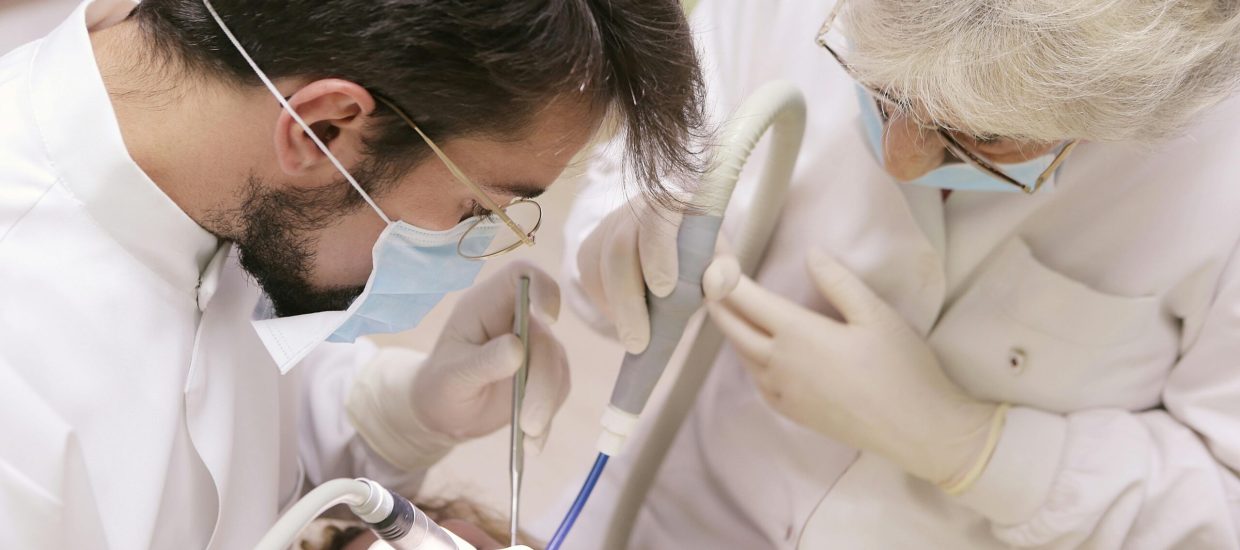
Digital charting has become a foundational feature of dental software, replacing manual paper records with structured, real-time clinical notes. Every exam, diagnosis, and treatment update is documented using standardized templates that ensure no critical details are missed.
Why is this important?
Accurate charting enhances both care quality and legal protection. Clinicians can input tooth-specific observations, track periodontal readings, and monitor progress with time-stamped logs. These records serve as a reliable source during audits, insurance disputes, or follow-ups.
Compared to handwritten notes that may be unclear or inconsistent, digital charting provides precise, legible documentation that promotes continuity of care.
Modern dental software often includes clinical decision support tools that assist providers by flagging inconsistencies, suggesting diagnostic codes, and recommending treatment protocols based on current best practices.
Here’s how it helps:
If a patient presents with early-stage gum disease, the system may recommend standard treatment paths like scaling and root planing, backed by evidence-based guidelines. This reduces clinical guesswork and ensures that care is aligned with industry standards.
Other industries use AI for decision-making too—but in dentistry, its role in reducing misdiagnosis and enhancing treatment accuracy is becoming essential.
Dental software now integrates seamlessly with radiographic imaging tools like intraoral cameras, panoramic x-rays, and 3D scans. This allows clinicians to attach diagnostic images directly to patient records, improving the clarity of documentation and the accuracy of diagnoses.
Why does this matter?
Visual records reduce ambiguity. Instead of noting “possible decay on molar 16,” a clinician can annotate and store an x-ray with a marked region of concern. During consultations, this makes patient communication easier and ensures consistency in care across different providers.
In other industries, visual documentation might be used for logistics or design. In dentistry, it directly influences diagnosis, treatment planning, and patient understanding.
In group practices or multi-specialty clinics, seamless clinical documentation ensures that providers stay aligned across treatments. With cloud-based dental software, multiple dentists, hygienists, and specialists can update and view records instantly, regardless of where they are.
Imagine this scenario:
A periodontist adds post-surgery notes, which are immediately available to the referring general dentist. There’s no lag or data loss—improving care continuity and reducing medical errors.
Other industries rely on team collaboration tools, but for dental practices, real-time clinical documentation can mean the difference between optimal outcomes and compromised care.
Dental software also enhances clinical documentation by maintaining detailed audit trails. Every modification, access point, and update to a patient’s record is logged and time-stamped. This builds accountability and ensures compliance with regulatory standards like HIPAA, GDPR, or regional health data laws.
This is especially critical during legal proceedings or insurance audits. Practices can demonstrate exactly who accessed or edited a file and why, protecting both the patient and the provider.
Unlike industries where documentation is more flexible, healthcare—especially dental—requires airtight, auditable records to meet compliance and ethical standards.
Discover how Growth Inbound can help your medical practice attract more patients, increase online visibility, and boost conversions. Our expert team specializes in healthcare marketing, combining SEO, social media, and targeted advertising to drive real results.